
GI Urgent Care of Florida and Radiology of Florida
Your Partners in Advanced Imaging for Gastrointestinal Health
Advanced Imaging Solutions for Accurate Diagnosis
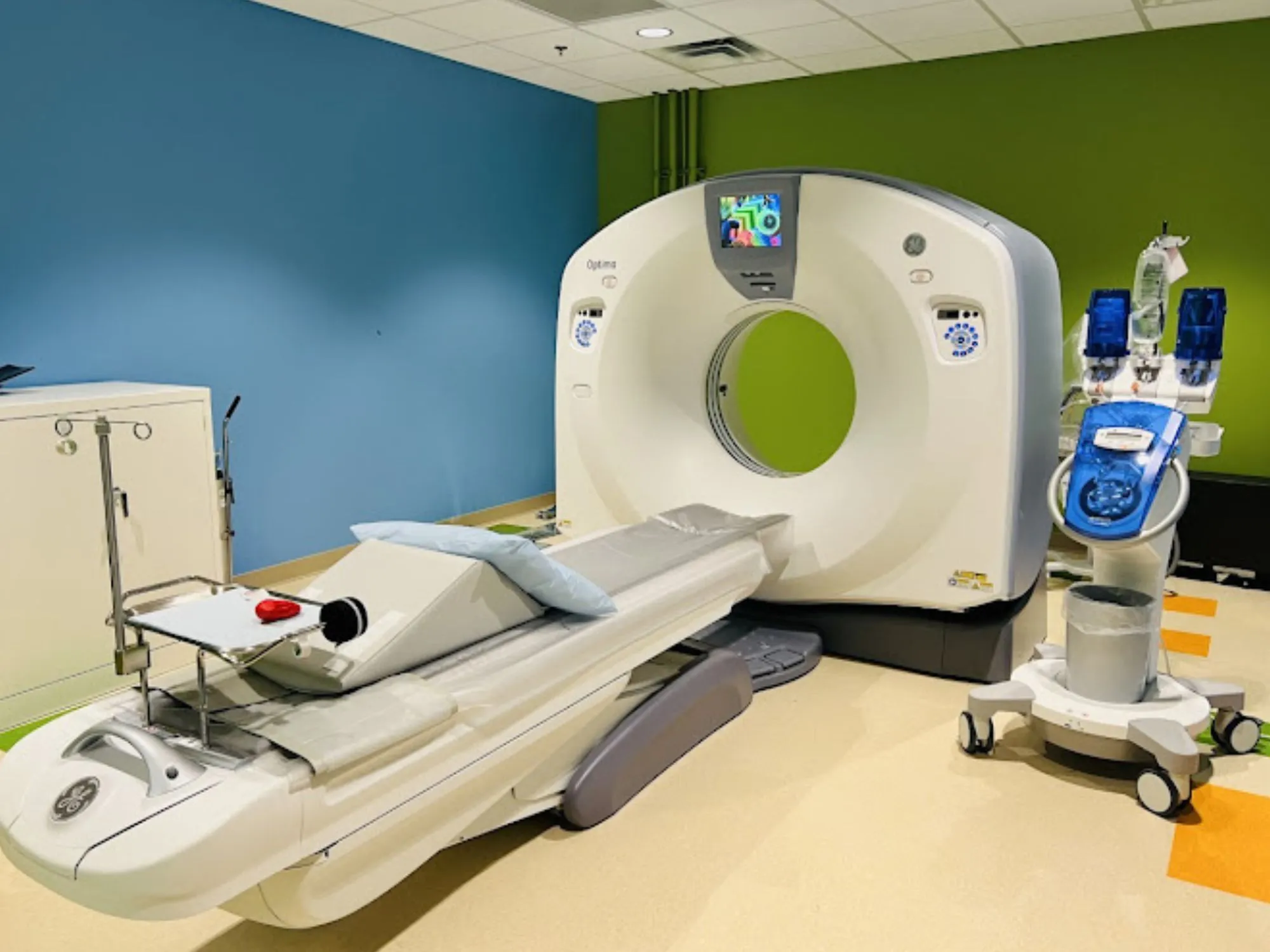
CT (Computed Tomography)
CT stands for Computed Tomography. It's a medical imaging technique that uses X-rays and computer processing to create detailed cross-sectional images of the body. CT scans are also known as CAT (Computed Axial Tomography) scans.
Here's how CT works:
X-ray Beams: The CT scanner emits a series of narrow X-ray beams through the body from various angles.
Detectors: Detectors on the opposite side of the body measure the amount of radiation that passes through and create digital signals.
Computer Processing: A computer processes these signals to create cross-sectional images, or "slices," of the body. These slices can be further combined to create 3D images if needed.
CT scans are extremely useful in medicine because they provide clear images of bones, organs, and tissues. They are often used to:
Diagnose Conditions: CT scans can detect abnormalities like tumors, infections, fractures, and internal bleeding.
Guide Procedures: They help guide procedures such as biopsies, surgeries, and radiation therapy by providing precise images of the affected area.
Monitor Treatments: Doctors use CT scans to monitor the effectiveness of treatments and track changes in tumors or other conditions over time.
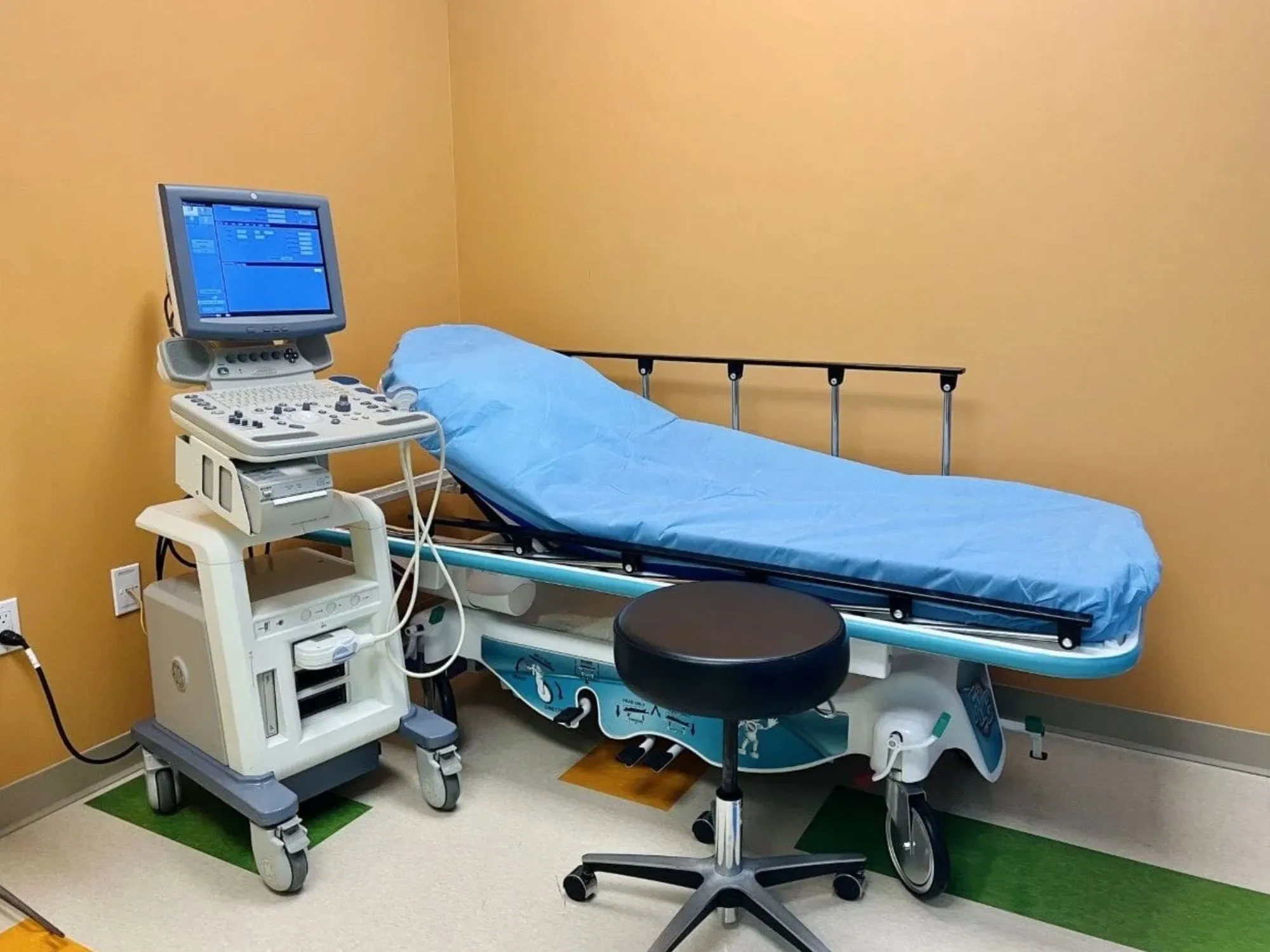
Ultrasound
Ultrasound, also known as sonography, is a medical imaging technique that uses high-frequency sound waves to create images of structures inside the body. It is non-invasive, painless, and does not involve radiation, making it a safe imaging method.
How Ultrasound Works:
- Sound Waves: A handheld device called a transducer emits high-frequency sound waves into the body.
- Reflection: These sound waves bounce off tissues, organs, and other structures inside the body.
- Image Formation: The transducer detects the reflected waves and converts them into electronic signals, which are then processed by a computer to create real-time images on a monitor.
Uses of Ultrasound in Gastroenterology:
In the field of gastroenterology, ultrasound is particularly valuable for its ability to examine organs and structures within the abdomen, including:
- Liver: Ultrasound can evaluate the size, shape, and texture of the liver. It is useful for detecting liver tumors, cysts, abscesses, and signs of liver disease such as cirrhosis.
- Gallbladder: Ultrasound helps in diagnosing conditions such as gallstones, inflammation of the gallbladder (cholecystitis), and blockages in the bile ducts.
- Pancreas: It can visualize the pancreas to identify pancreatic tumors, cysts, and inflammation (pancreatitis).
- Spleen: Ultrasound can assess the size and condition of the spleen, detecting abnormalities like enlargement or lesions.
- Kidneys: It is used to examine the kidneys for stones, tumors, cysts, and other abnormalities affecting kidney function.
Advantages in Gastroenterology:
- Non-invasive: Ultrasound does not involve the use of radiation, making it safe for repeated examinations, including for pregnant women.
- Real-time Imaging: Provides immediate feedback during procedures, aiding in dynamic assessments of organ function and structure.
- Guidance for Procedures: Ultrasound can guide needle biopsies or aspirations of fluid collections (such as abscesses), ensuring accuracy and minimizing risks.
Rapid Results for Prompt Treatment
We understand the urgency of timely diagnosis and treatment. With our advanced imaging technologies, we deliver rapid results, empowering our medical team to initiate appropriate treatment plans swiftly. Your health and well-being are our top priorities.
Contact Us Today
Take the first step towards better gastrointestinal health. Contact GI Urgent Care of Florida today to schedule your appointment or learn more about our advanced imaging services. Your well-being is our priority.